Short Answer
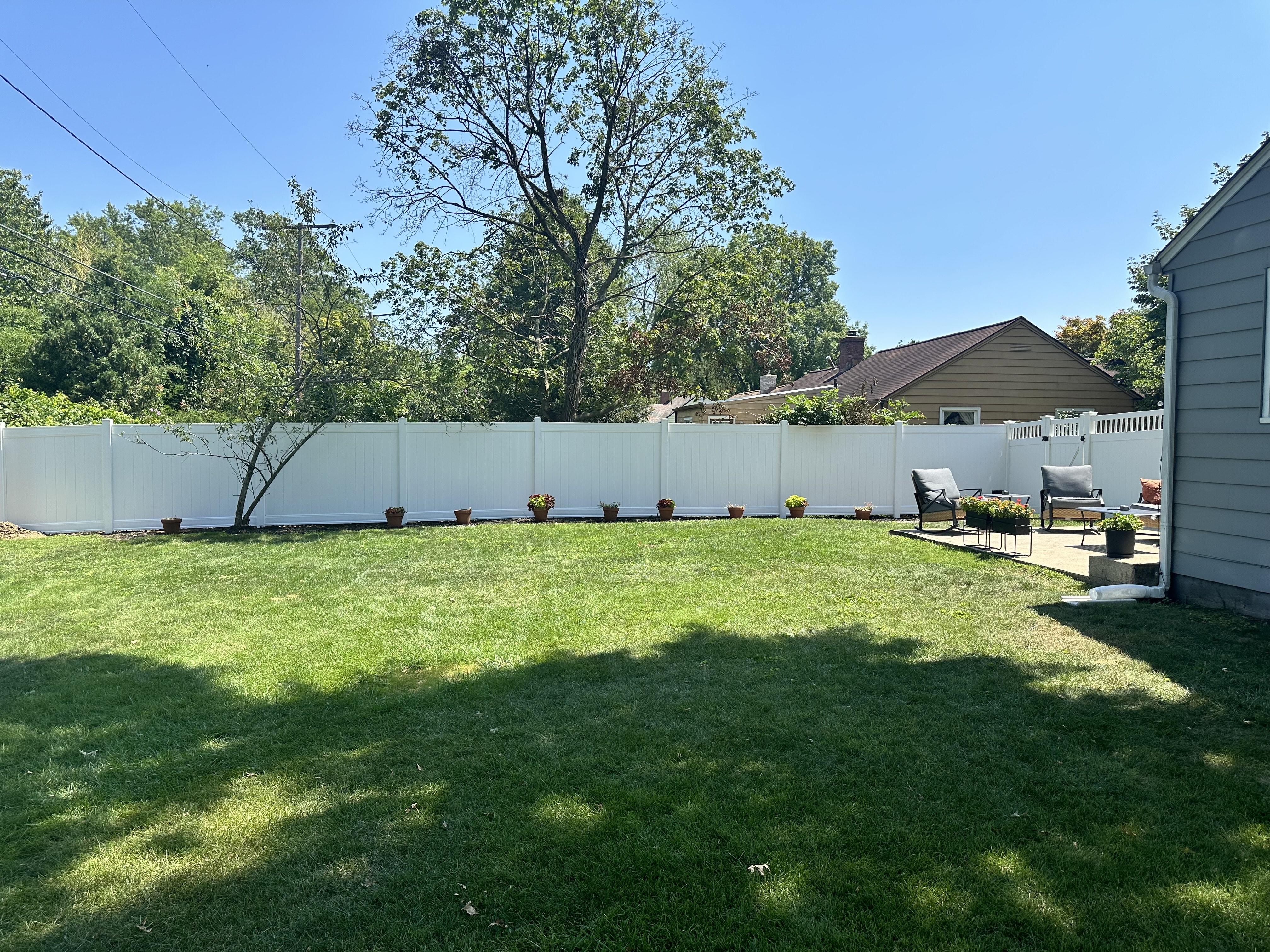
Vinyl fences need very little maintenance. Rinse with a garden hose 1 to 3 times a year, spot-clean any stains with mild soap and water, and inspect annually for physical damage. That is essentially the entire maintenance routine. No painting, no sealing, no annual treatments. This is the biggest selling point of vinyl over wood.
At Fence Company of Columbus, homeowners ask about vinyl maintenance more than almost any other question. The honest answer surprises many of them. Here is what you actually need to do to keep a vinyl fence looking new for decades.
The Basic Maintenance Routine
A quality vinyl fence needs three things over its lifetime:
- Occasional rinse. A garden hose once or twice a year, especially in spring after pollen season and in fall after leaves come down.
- Spot cleaning as needed. Any specific stain or dirt spot gets addressed when noticed.
- Annual visual inspection. Walk the fence line once a year and check for cracks, loose brackets, or damage.
That is the routine. There is no annual staining. No sealer. No paint. The color runs all the way through the vinyl material, so scratches do not require touch-up.
What to Use for Cleaning
- Water and a garden hose handle most cleaning. Rinse from the top down to let dirt flow off.
- Mild soap (dish soap or gentle car wash soap) with a soft-bristle brush handles most stains.
- White vinegar diluted 1:1 with water works on hard water stains and mineral deposits.
- Magic eraser sponges work well for scuff marks and light staining.
- Non-abrasive cleaners like Simple Green or vinyl-specific cleaners for tougher stains.
What NOT to Use
- Bleach. Can degrade certain vinyl formulations and lighten colored vinyl.
- Abrasive scrubbers. Steel wool or heavy-duty abrasive pads can scratch the surface.
- Solvents. Acetone, paint thinners, and industrial solvents can damage vinyl.
- Pressure washer above 1500 PSI. Can force water behind panels or damage panel surfaces. If you use a pressure washer, keep the pressure low and the nozzle far from the surface.
Handling Common Stains
- Dust and pollen. Plain water rinse handles both.
- Lawn splatter and grass stains. Mild soap and a soft brush.
- Algae or mildew. Diluted vinegar or vinyl-specific mildew cleaner.
- Rust stains from adjacent metal. Oxalic acid based cleaner (available at hardware stores as rust remover). Test on an inconspicuous area first.
- Sap and gum. Rubbing alcohol on a cloth. Wipe rather than scrub.
- Paint or ink. Mineral spirits sparingly, followed by soap and water. Test first.
Seasonal Maintenance Notes
- Spring: rinse off winter road salt splash if the fence is near a driveway or road. Inspect for winter damage.
- Summer: quick rinse if lawn treatments or heavy pollen create visible buildup.
- Fall: clear leaves that pile against the fence base. Rinse after major leaf fall.
- Winter: clear snow piles that build up against the fence. Do not use a snow blower against the vinyl.
Physical Damage Inspection
Annual inspection catches problems before they become expensive. Walk the fence line and look for:
- Cracks in panels. Small cracks are cosmetic. Larger cracks may compromise structural integrity.
- Loose brackets or rails. Vinyl panels can loosen from posts over time. Tighten any loose connections.
- Post lean. Any post moving out of plumb indicates ground line or footing issues.
- Damaged post caps. Missing or cracked post caps allow water into the post interior.
When to Call a Professional
- Panels cracked beyond spot repair. Individual panel replacement is straightforward but needs matching material.
- Posts leaning or moving. Post reset requires excavation.
- Gate hardware failure. Hinges, latches, and self-closers wear out and need replacement.
- Storm damage from fallen trees or debris.
Frequently Asked Questions
How often should I clean my vinyl fence?
Two rinses a year is enough for most fences. Add spot cleaning as needed for specific stains.
Can I use a power washer?
Yes, at low pressure (under 1500 PSI) and with the nozzle held at least 2 feet from the surface. Higher pressure or closer contact can damage the vinyl or force water into panel joints.
Does vinyl need to be sealed?
No. The material does not absorb water and does not need sealer, stain, or paint. This is one of vinyl's main advantages over wood.
Will my white vinyl fence turn yellow?
Quality UV-stabilized white vinyl holds its color for 20 to 30 years. Cheap vinyl without UV stabilization can yellow within 5 to 10 years. Buy quality vinyl to avoid this.
Ready to Get Started?
At Fence Company of Columbus, we install vinyl fencing with UV-stabilized panels that hold their color for decades with essentially no maintenance beyond an occasional rinse.
👉 Call us, email us, or fill out the form on the home page to receive a free quote. We serve Powell, Dublin, Westerville, Worthington, Hilliard, Upper Arlington, and Delaware.
Written by the team at Fence Company of Columbus, updated July 2026.